Safety
The most common site for urban bicycle-car accidents is the intersection. There are 496 intersections (46 crossroads, 150 driveways, 300 carriage paths) along Summit Avenue. Today we have one-way bike lanes on each side of Summit Avenue. For the majority of Summit, they are wide, buffered bike lanes that allow cyclists to pass each other, social side-by-side riding, and even group rides. Summit’s bike lanes are among the most popular and heavily used in Saint Paul, shared by sport cyclists, commuters, leisurely riders—riders of varied speeds and comfort levels.The plan will eliminate these.
Instead, “raised, separated” trails—two narrow tracks built on each side of the street—will be carved into the grassy boulevards. The trail is “raised” up to sidewalk level, and “protected” from the main driving lane by parked cars.
There will still be 496 intersections. The problem is there is no “protection” at the intersections. Most accidents happen because a driver didn’t see the cyclist until it was too late. The new trail design creates new blind spots for crossing and turning vehicles. The new plan decreases site lines, placing bike riders in newly created blind spots. Bikes will be less visible to cars than they are now in the bike lanes.

E-bikes and electric scooters travel at a high rate of speed (up to 28 mph), and they would be traveling alongside regular bicyclists and other pedestrians. This is not a safer solution to what is currently in place.
“We need to be concerned about the safety of pedestrians and children with a high speed bike path crossing over each street intersection and in front of homes. I almost died from a cyclist in Amsterdam when I was a tourist pedestrian enjoying the sights and scenes of the old town. I never thought this could happen to me while walking the promenade of Summit Avenue.”
– Ferdinand Peters
Key Documents
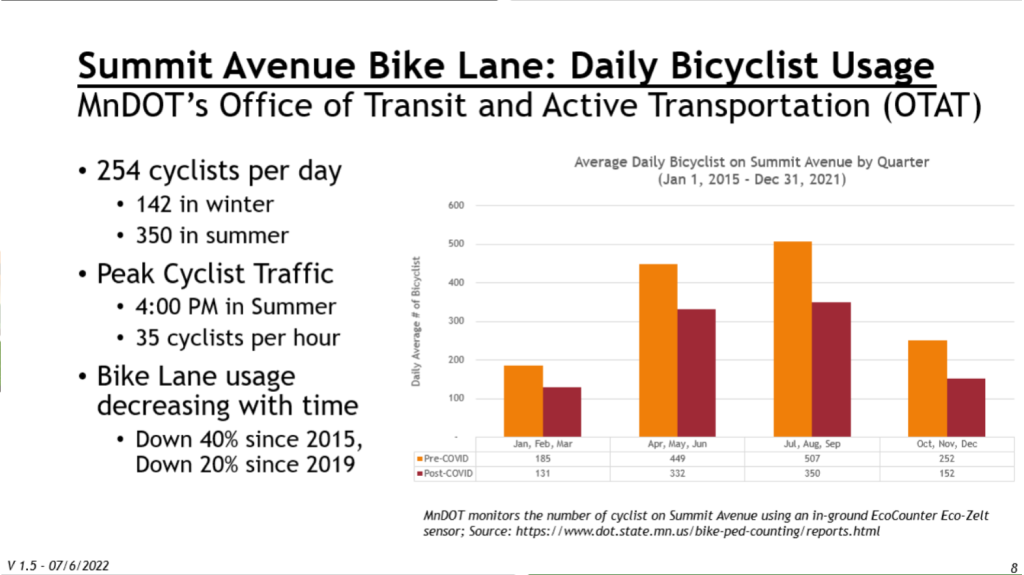
Safety stats. Cycling Volumes. Summit exceeds standards. September 29, 2022 – Slides

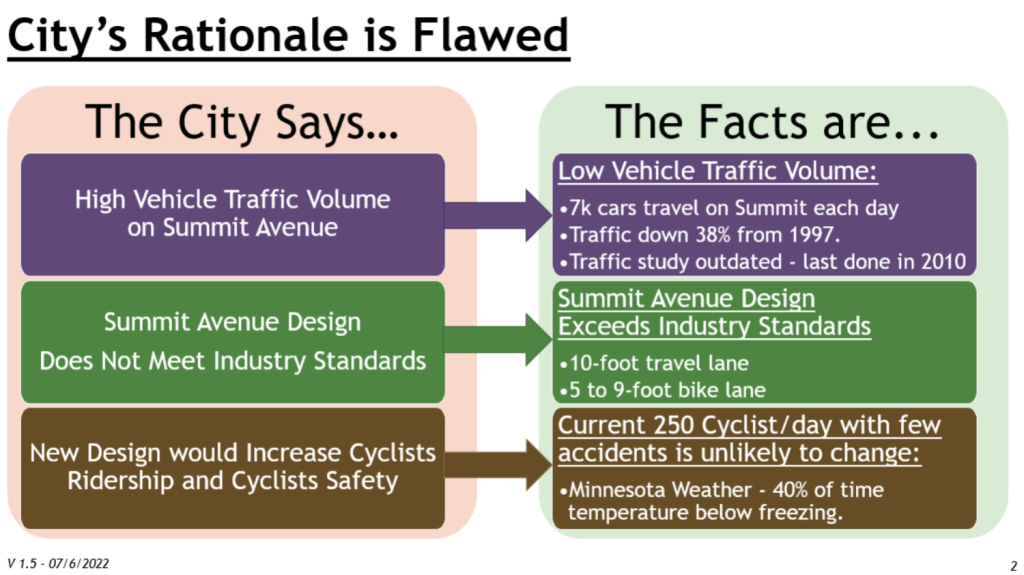

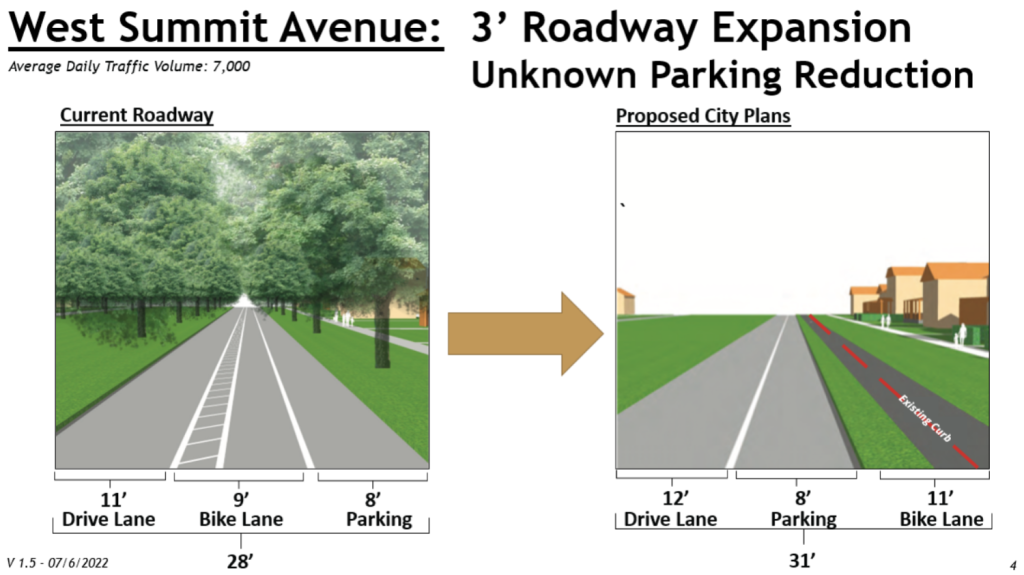
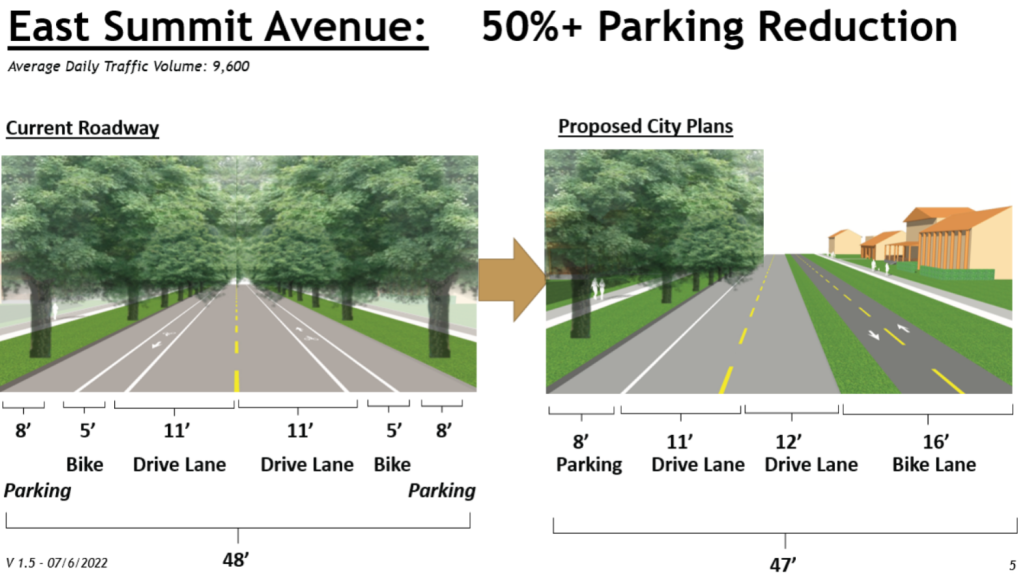




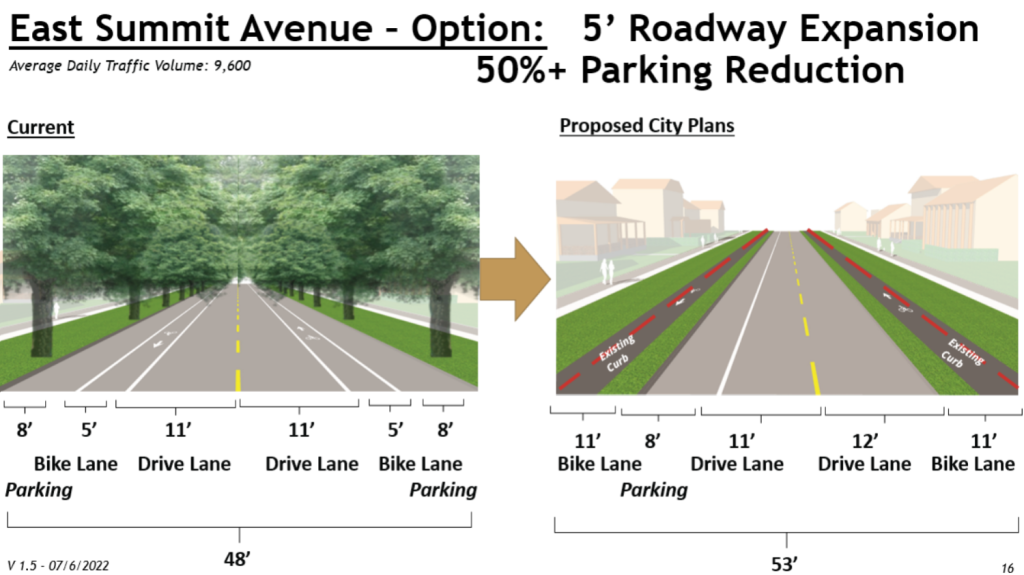

IIHS Study March 14, 2023
Not all protected bike lanes are the same: infrastructure and risk of cyclist collisions and falls leading to emergency department visits in three U.S. cities. 2 pages. PDF
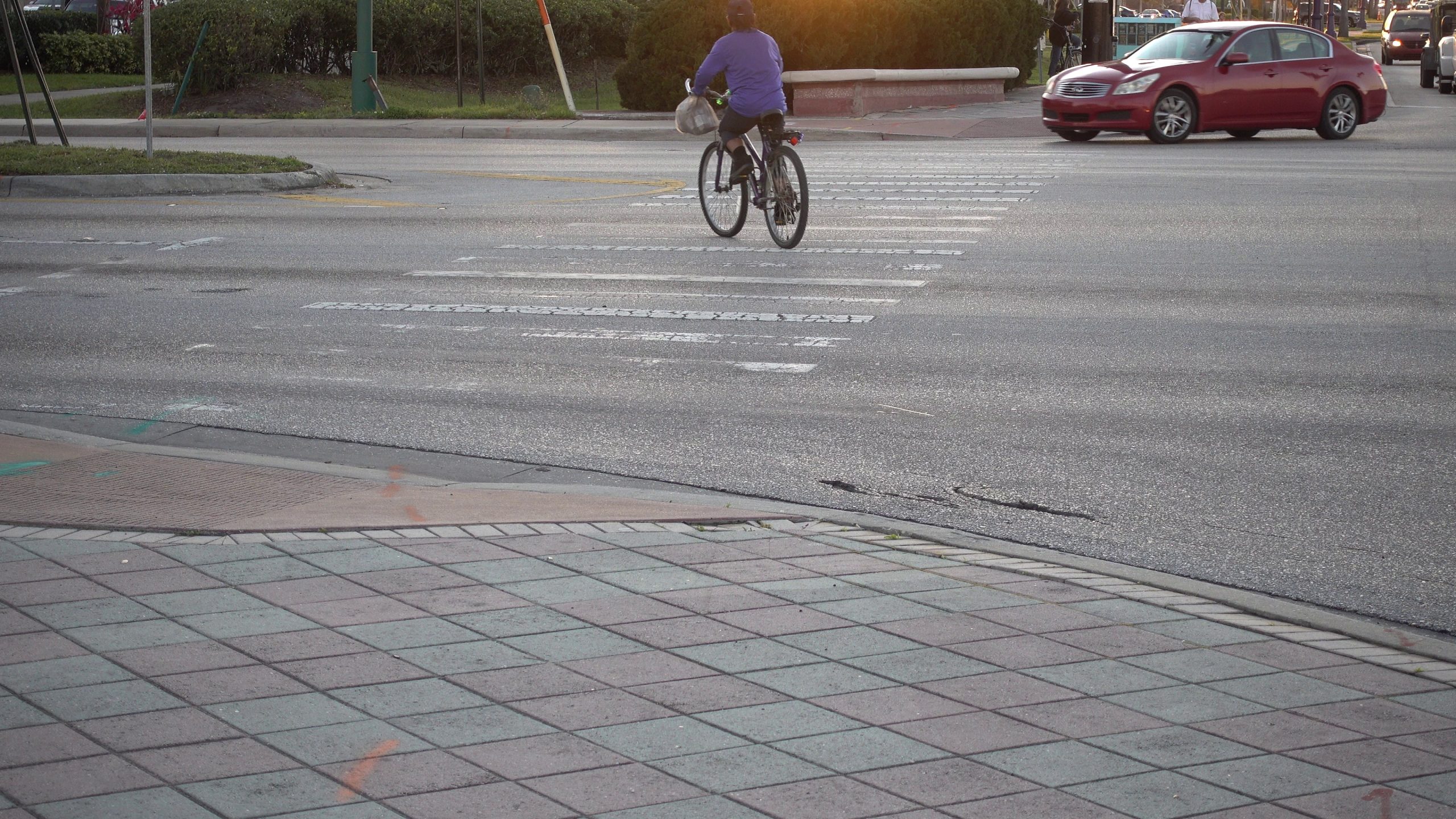
Crash Data by Bike Facility Dec. 14, 2022
Cyclists are at greatest risk for collision at intersections and crossings. Raising the cycle path to sidewalk level at mid-block is a hybrid approach that is NOT equivalent to a true off-street facility that eliminates nearly all crossing conflicts. Eevidence-based practices show that sidewalk level pathways along urban roadway conditions increase risk to cyclists. 5 pages. PDF
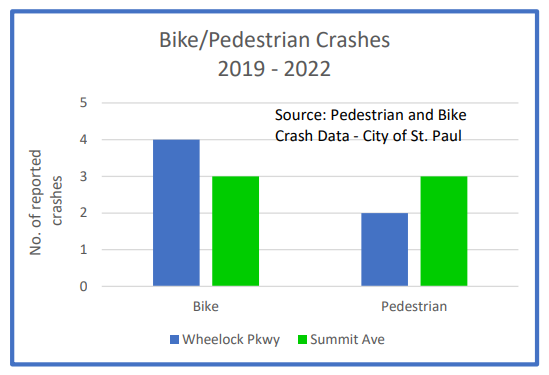
Crash Comparison: Summit and Wheelock Parkway Nov.16, 2022
Wheelock Parkway has an off-street, two-way bike trail. Summit Avenue has on-street, one-way bike lanes.
The City’s crash data shows that Summit is as safe as Wheelock Parkway.
Press

The Guardian August 14, 2026
The Ontario government is now free to rip out Toronto’s bike lanes on its busiest streets.
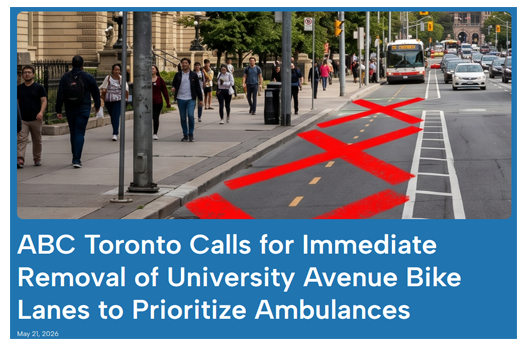
A Better City Toronto May 21, 2026
University Avenue is not an ordinary street. It is a critical access route for patients, ambulances, hospital staff, caregivers, and emergency services. Within just a few blocks, it serves some of the country’s leading health-care institutions.
Fox 32 Chicago May 5, 2026
People support painted bike lanes, not permanent Concrete Barriers. It is the Concrete Barriers that have caused severe traffic congestion stretching for miles, created serious safety concerns by delaying fire trucks and ambulances from responding quickly to emergencies, and hurt local businesses by reducing customer access.
K5 Seattle May 1, 2026
A responding SPD officer said: “We hate these bike lanes—they run between traffic and parked cars, and drivers can’t see them.”
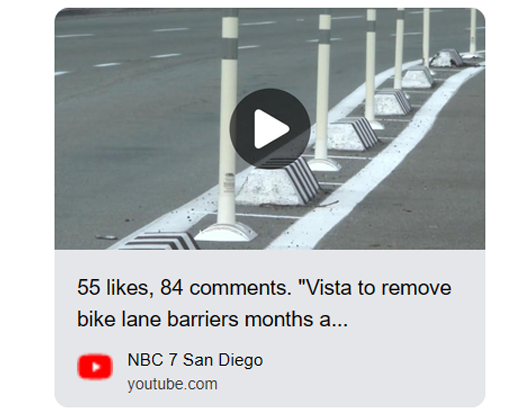
VELO Feb. 20, 2025
Vista, California removed concrete berms and bollards. They prevented cars from pulling over after an accident, prevented emergency vehicles from accessing neighborhoods without blocking traffic, and prevented cyclists from riding in a wide pack.
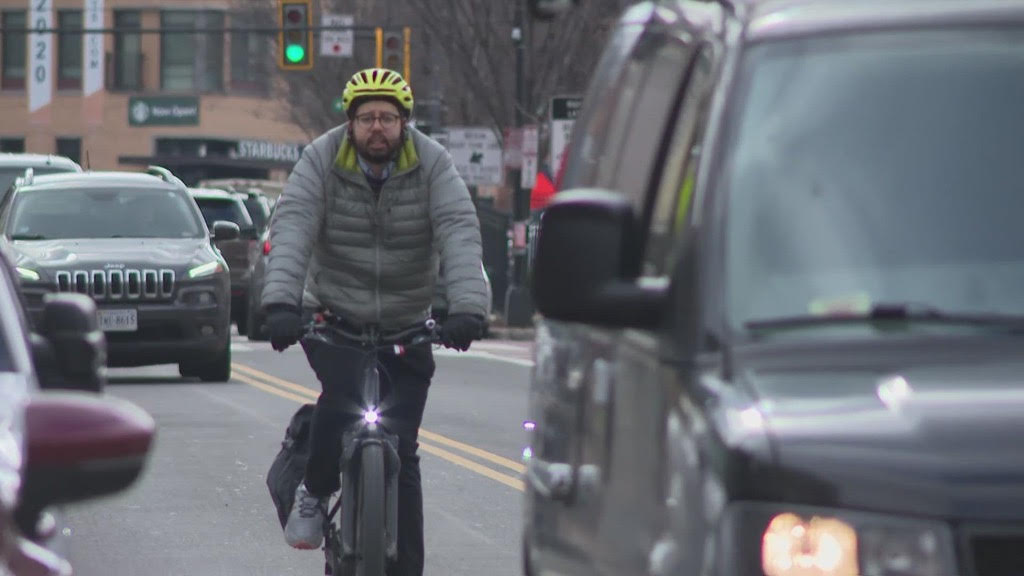
WUSA9 April 11, 2024
The inception of the project was a safety project, it has always been a safety project on our high entry network… The plan will not include a bike lane.
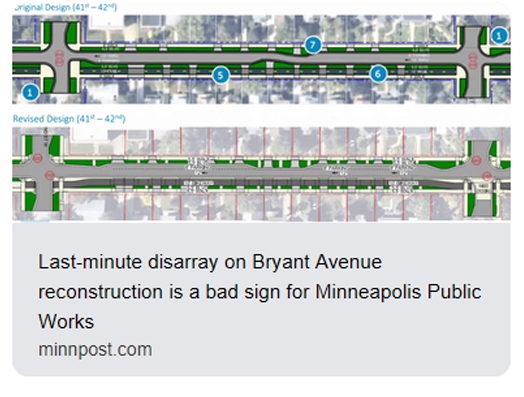
MINNPost April 10, 2023
The new design removes the chicanes in favor of a straight traffic lane on the left. The changes were necessary due to concerns over fire truck access. The two-way protected bike path has been moved next to the street.

Star Tribune Oct. 23, 2023
Minneapolis officials admit they messed up the Bryant Avenue project; now they want to make it right. Under the original plan, the street became too narrow for fire trucks.
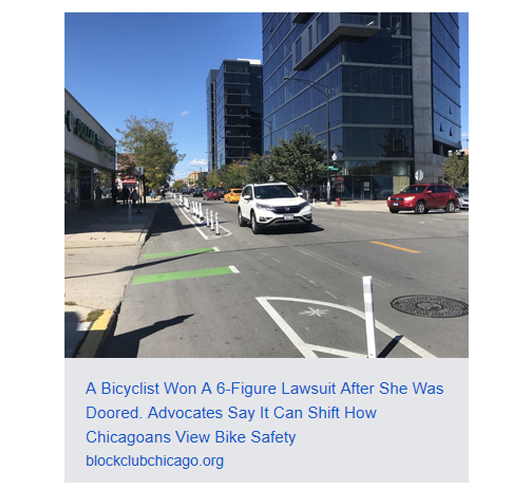
Block Club Chicago Feb. 22, 2022
The infrastructure installed by the city on Washington Street – standard paint-and-post protection – failed to keep danger out of the bike lane.
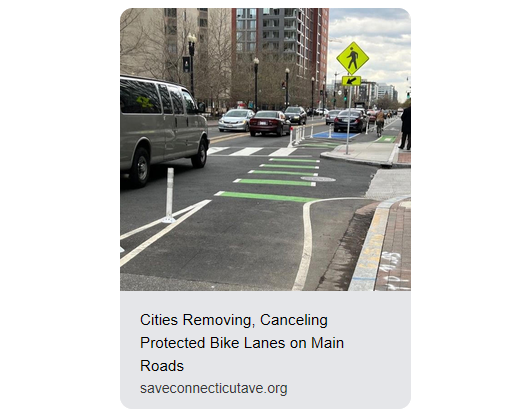
Save Connecticut Ave.Org July 6, 2022
Negative effects on pedestrians, business, street vitality, accessibility, the response times of emergency vehicles, bus service, and the ability of residents to move around and enjoy their city.
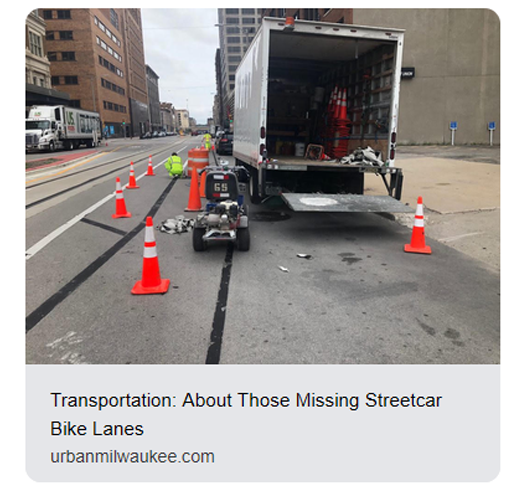
Urban Milwaukee July 24, 2019
The available space for bike lanes on Milwaukee and Broadway was not enough to provide continuously protected bike lanes … that accommodate people of all ages and abilities, make bicycling safer, and attract more people to bicycling.
Video Evidence
Karen Sprattler speaks as a national expert on behavioral traffic safety. She’s offended by the ignorance of the proposed SART.
Tags: Bike crashes, road safety, pedestrian safety
Mark Hoppe taught his three children how to bike on Summit Avenue. He believes the separated bike lane is the safest option for biking through residential neighborhoods with lots of intersections for cross streets and driveways.
Tags: Bike crashes, road safety, pedestrian safety